

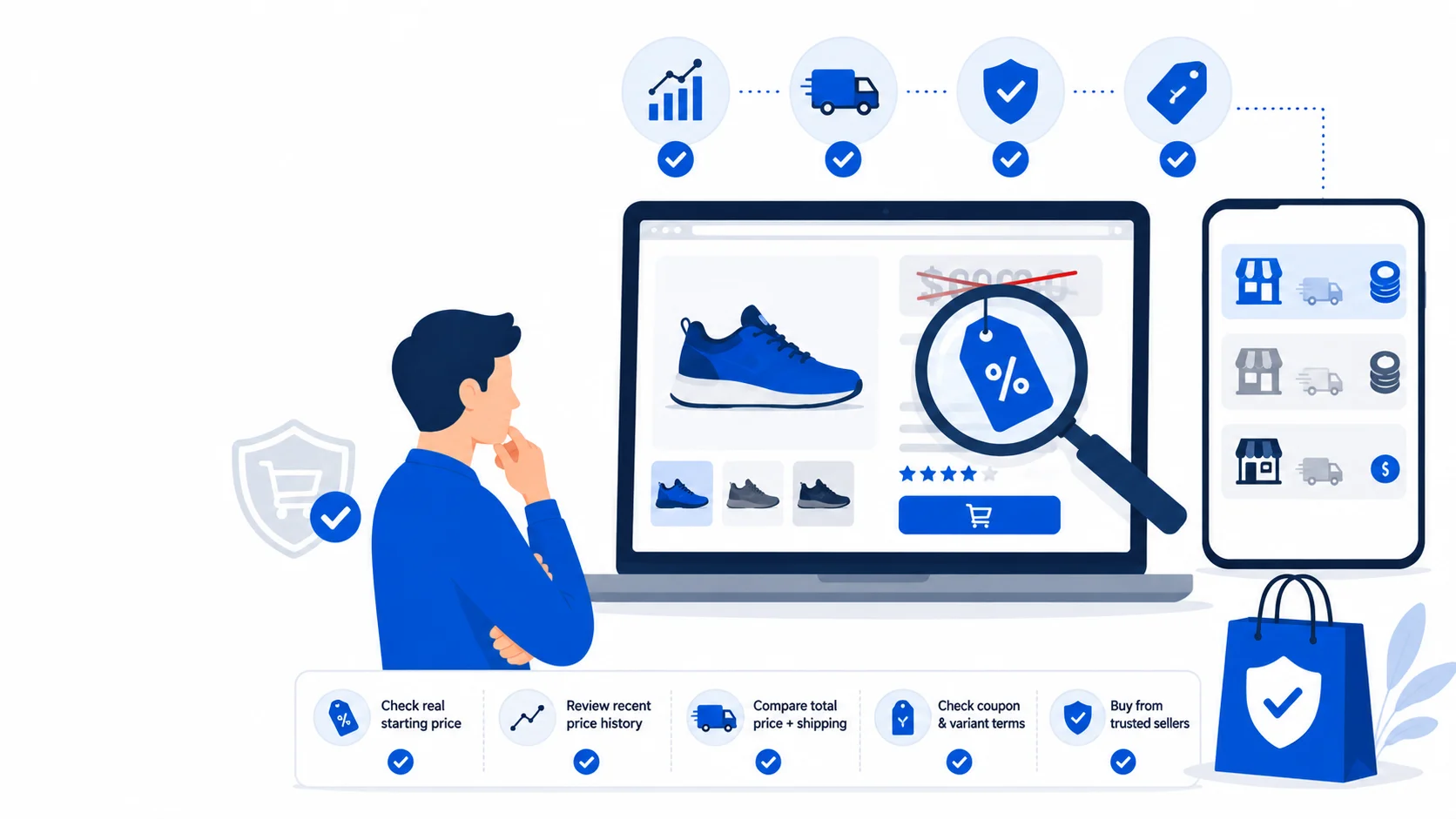
To spot fake discounts during online sales, treat every deal as a math problem instead of a marketing claim. Ask what the item costs today, what it sold for recently, what conditions limit the coupon, and what your final total will be after shipping and fees. A genuine bargain holds up under this quick check. A fake one usually falls apart the moment you compare the real numbers, because the savings were never as big as the sticker suggested.
Big discounts are not automatically scams, but during major sale seasons they deserve a second look. Retailers know that a product labeled "50% off" gets more clicks than the exact same item at its regular price, even when the actual price you pay is identical. That gap between how a deal looks and what it really is, is exactly what this guide helps you close.
Why Fake Discounts Are So Common During Online Sales
Fake discounts are widespread because most online marketplaces let sellers set their own "original" prices with little enforcement of whether the item ever really sold at that number. A seller can list a product at a high price for a single day, then "discount" it dramatically, showing a savings figure that never reflected an actual market price.
This works because of a mental shortcut called anchoring. The first number you see, usually the inflated original, becomes your reference point. When the sale price sits next to it, your brain treats the difference as savings even if the lower price is what the item normally costs anyway. Studies referenced by pricing researchers suggest a meaningful share of advertised sale prices are misleading in exactly this way.
The pattern is not tied to one platform. It shows up across global e-commerce, including on otherwise reputable sites where third-party sellers control their own listings. On marketplaces like Amazon, the "was" price is often just a list price the seller entered, not a record of what buyers actually paid. So a product that consistently sold for one price can suddenly appear with a much higher crossed-out number.
The Most Common Fake Discount Tricks to Watch For
Most misleading sales rely on a small set of repeatable tricks. Once you recognize them, you will start seeing them everywhere, which makes them much easier to ignore.
Inflated original prices
This is the workhorse of fake discounts. An item that quietly sold for a modest price all month gets bumped up right before a big sale event, then marked "60% off" back down to roughly where it started. The banner says you saved a large amount, but your real savings are tiny. If the crossed-out price is higher than anything the product has actually sold for, the discount is inflated.
Pre-sale price increases
A close cousin of inflated pricing, this trick involves raising a price shortly before an event like Black Friday, then discounting back to near the original level. The markdown looks impressive on the page, but the price is roughly where it was weeks earlier. It is especially common around headline shopping dates when shoppers expect deep cuts.
Fake urgency and phantom flash sales
Countdown timers and "only three left" stock bars create pressure to buy fast. The problem is that many of these timers reset every day or restart when you refresh the page. A real flash deal has a fixed, published start and end time on the campaign page. A timer that never actually expires is theater, not scarcity.
The variant switch
Sometimes the advertised price applies only to one version of a product, like the smallest size, an unpopular color, or a specific plug type. You tap through expecting the deal, then discover the variant you actually need costs noticeably more. Always confirm the price of your exact variant before judging the offer.
Shipping that eats the savings
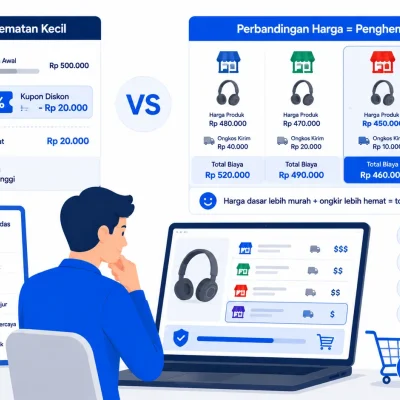
An item may be a little cheaper than everywhere else while the shipping is a lot more expensive. This is common when marketplace sellers try to match official stores on item price alone. Judge the delivered total, never the product price by itself.
Extreme discounts on branded goods
A 90% cut on premium branded skincare or well-known electronics is almost never legitimate. Discounts from authorized retailers tend to be more modest, often in the 10 to 40 percent range. When a branded item is marked down far below that, it often signals a counterfeit, grey-market, or noticeably different product.
How to Verify a Discount in Under a Minute
The fastest way to spot fake discounts during online sales is to check the delivered price today against the delivered price recently, ignoring the percentage entirely. Percentages are marketing. The only honest numbers are what you pay now and what the item cost before the sale.
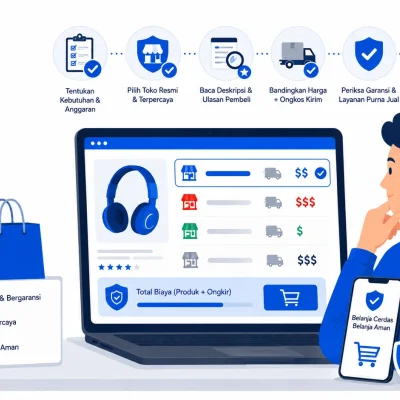
Here is a simple routine you can reuse on any listing:
- Find the real starting price. Ignore the biggest crossed-out number. Your baseline is the price a shopper can actually pay today, not the suggested retail price or a "valued at" figure.
- Check recent price history. Look at what the product has actually sold for over the past weeks or months. If the "original" sits above everything in that history, it is inflated. Tools like CamelCamelCamel and the Keepa browser extension can show price history and alert you when a price genuinely drops.
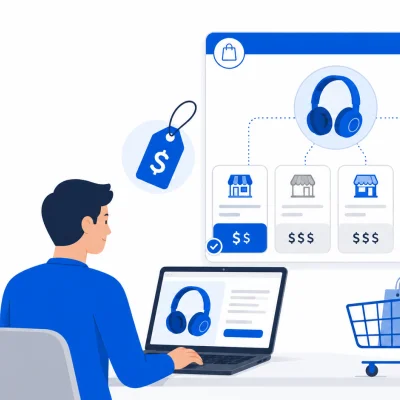
- Compare across sellers. Search the same product elsewhere and compare final checkout totals, including vouchers and shipping. Price inflation on one listing becomes obvious the moment you line it up against others.
- Read the coupon and variant terms. Confirm the code applies to your product category and your specific variant, and that the discount is not quietly excluded at checkout.
- Add up your real out-of-pocket cost. Include shipping, fees, required add-ons, and any rewards. That final number tells you whether the deal is worth acting on.
One helpful habit: screenshot your cart a week or so before a big sale. Your own record beats any claim the listing makes later, and it instantly reveals a pre-sale price bump.
For shoppers buying across Indonesian marketplaces, this cross-checking gets much faster with a comparison tool. Carikno lets you line up the same product across multiple local marketplaces at once, so you can see actual current prices side by side instead of opening a dozen browser tabs. Because it factors in shipping alongside the product price where that data is available, it helps you compare the real total cost rather than a headline number that hides the delivery fee. That makes it easier to tell whether a "sale" survives an honest comparison or collapses the second you look at the delivered price elsewhere.
How to Avoid Fake Promos and Scam Sales
Beyond misleading markdowns, some "sales" are outright scams designed to take your money or payment details. These fake promos often impersonate trusted brands and lean hard on urgency to rush you into a decision.
Scammers build entire fake shops that copy real online stores, using professional product photos, familiar branding, and realistic prices. Security researchers have identified fake-shop campaigns impersonating major brands and claiming to be official outlets, clearance events, or store-closing liquidations. When one fake site gets taken down, another usually appears under a new domain using the same playbook.
You might reach these stores through a social media ad, a sponsored search result, an email, or a messaging app. An ad appearing on a trusted platform, or a listing sitting at the top of search results, does not prove the store is real. A few signs a promo may be fraudulent:
To stay safe, slow down and verify before you act. Do not get pulled in by an offer just because it looks generous. Check the seller and the website, confirm the promotion through the brand's official channels, and never share personal information or make a payment until you are confident the offer is real. If something feels off, that instinct is usually worth trusting.
Shopping Smarter From Here
Learning how to spot fake discounts during online sales comes down to a small shift in habit: verify the numbers instead of trusting the label. Check the real starting price, look at recent price history, compare final totals across sellers including shipping, and watch for fake urgency and impersonated brands. Most misleading deals cannot survive that level of scrutiny.
Plenty of sales are genuinely good, so the goal is not to assume every discount is a trap. It is to separate real bargains from pricing theater quickly and confidently. Lean on price trackers, cross-marketplace comparison tools, and your own screenshots, and you will keep more money in your pocket while still enjoying the deals that are actually worth it.
Leave a Comment