

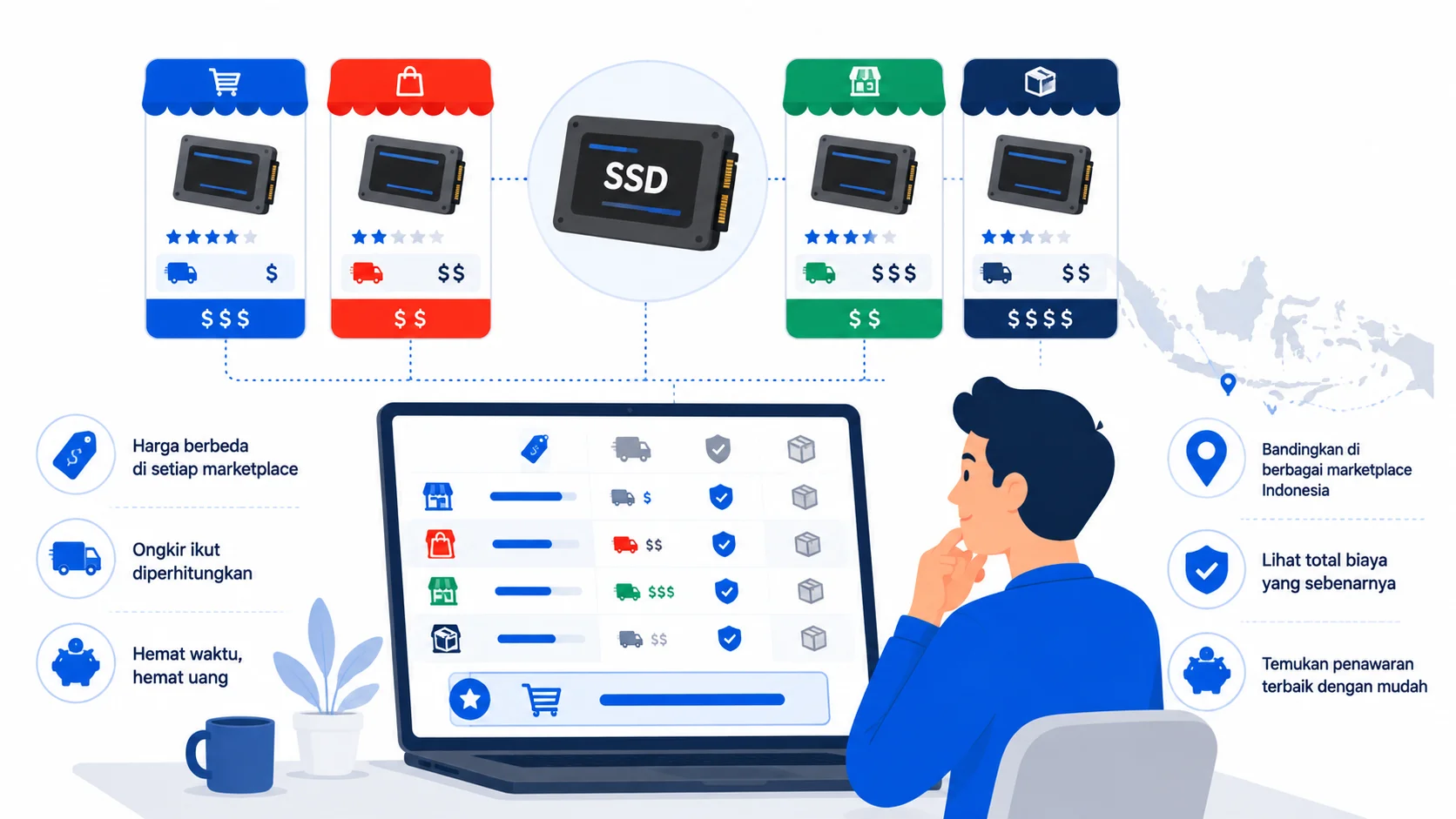
The same product has different prices on different marketplaces mostly because each platform charges different seller fees, negotiates its own supply deals, hosts different types of sellers, and runs sales on its own schedule. So when you see an SSD at one price on one site and a lower price somewhere else, nothing shady is happening. There is no single "correct" price for most items, and the number you see first is rarely the cheapest one available.
That gap can be bigger than people expect. Pricing analysis across dozens of product categories has found that the exact same item often varies by around 15 to 20 percent between major retailers. On a monthly online spend of a few hundred dollars, that difference quietly adds up, which is why it pays to understand where the gaps come from.
Why the same product costs more or less across marketplaces
The same product costs different amounts across marketplaces because retailers set prices based on their own costs, brand positioning, stock levels, and what competitors are doing. A store clearing old inventory can list an item on sale while another store sells the identical thing at full price. Neither is wrong, they simply have different reasons for their number.
Positioning matters a lot here. Some sellers compete purely on being the cheapest every day, while others charge more and lean on service, convenience, or exclusivity. A premium department store might list the same coat higher than a discount chain, and outlet channels often get goods at lower cost and pass some of that saving along. So the "same" product can start from a different baseline before any discount is even applied.
Supply chain deals do a lot of the heavy lifting
Retailers negotiate with manufacturers separately, and volume buys power. A platform that purchases in enormous bulk may secure a bigger wholesale discount, while a smaller retailer pays more per unit and passes that cost on. Large players are known for using their purchasing muscle to demand the lowest wholesale prices, which makes it genuinely hard for smaller sellers to compete on cost for popular items. Instead, they often compete on selection, niche expertise, or customer service.
How marketplace fees shape the price you see
Marketplace fees directly change what sellers charge, because most sellers price to end up with a similar net amount no matter where they list. When a platform takes a bigger cut, the sticker price goes up to cover it. When a platform charges little or nothing, the listing can be cheaper for the same profit.
This is why local, no-fee marketplaces frequently show the lowest prices. It also explains why bulky items like furniture tend to be cheaper locally, since shipping heavy goods is so expensive that it rarely makes sense to sell them far away. For lighter items, the fee structure of the platform often matters more than the shipping.
Why one marketplace shows several prices for the identical item
A single marketplace can show many prices for the same product because you are often looking at different sellers, not different products. On platforms that allow third-party sellers, one item might appear as a first-party listing, a new listing from an independent seller with added shipping, and an open-box unit from yet another seller. The box contents are identical, but each is a separate transaction with its own price.
This dynamic gets wild on large open marketplaces, where a single product can carry dozens of listings ranging from suspiciously cheap to clearly overpriced. Third-party sellers regularly undercut the main listing, so "everywhere" does not mean one shop, it means checking across sellers and channels.
Sometimes the price shifts based on who is looking
Retailers do not always show every visitor the same number. Location-based pricing, loyalty member rates, and logged-in versus guest pricing can all change what appears on screen. A 2025 study by the European Commission found that 21 percent of ecommerce sites displayed different prices to users in different EU countries for identical products, even after accounting for VAT differences. It is not always deliberate, but it is real, so the price you see may not be the price your friend in another region sees.
Timing, buyers, and regional demand move prices too
Timing changes prices because stores mark down when they hold too much stock or when a new season approaches. The same item can be full price at one store and already discounted at another simply because that second store started its sale earlier or had more leftover inventory. If you can be flexible about when you buy, waiting for a markdown or checking a retailer further along its clearance cycle often saves money.
Seasons matter in predictable ways. Used prices tend to bottom out in the post-holiday months of January and February, while gift-buying demand pushes prices up in November and December. Big sale events also ripple through the market, since Black Friday discounts on new goods can drag down used prices, and the flood of returned and unwanted gifts after the holidays adds cheap supply.
Different buyers expect different things
Who shops on a platform also shapes its prices. Buyers on some marketplaces are comfortable with used or lightly worn items, hunt hard for deals, and expect to pay for shipping. Buyers on convenience-focused platforms usually expect near-new condition and fast delivery, and tend to be less sensitive to price. Local buyers often want to inspect items in person, pay cash, and negotiate. If something has minor wear, it may sell easily to a deal-focused audience but frustrate buyers who expect pristine goods.
Location adds another layer. High-cost cities generally carry higher prices and more buyers with money to spend, which suits premium items. Lower-cost areas draw more price-sensitive shoppers, which is where deals are easier to find.
How to stop overpaying and find the cheapest offer
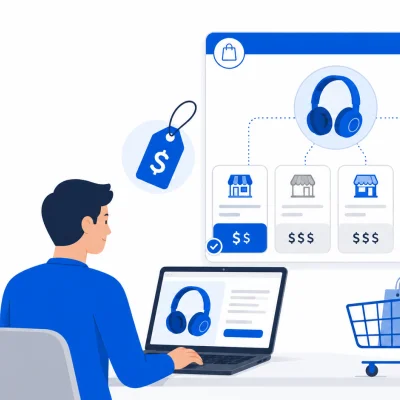
The reliable way to stop overpaying is to compare the full price of the same product across several marketplaces before you buy, instead of trusting the first listing you land on. Since gaps of 15 to 20 percent are common, a quick comparison is often the difference between a fair price and an overpay you never notice.
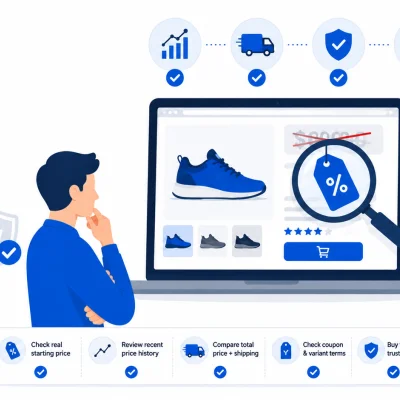
Here is a practical checklist that works across almost any purchase:
Confirm you are comparing the exact same model or SKU, not a similar variant.Check whether the listing is first-party or a third-party seller, and factor in shipping.Look at more than one platform, since one may be running a sale the other is not.Consider timing if you can wait, especially around seasonal markdowns.Add shipping and any fees to the sticker price to see the real total.
The catch is that opening a dozen browser tabs and manually adding up shipping on each one is tedious, and that is exactly the friction that leads people to overpay. This is where a comparison tool earns its keep. Carikno is built for shoppers in Indonesia who want to see how a product is priced across local marketplaces in one place, so you are not juggling listings by hand.
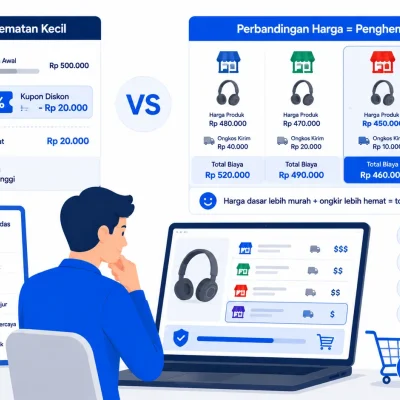
What makes that useful is the focus on real cost rather than just the headline number. Because a cheaper product with pricey delivery can end up more expensive than a slightly dearer one with free shipping, Carikno weighs product prices together with shipping costs where that information is available. The result is a clearer view of the genuinely best offer, which saves both the time and the mental math of checking every marketplace yourself.
The takeaway on marketplace price differences
Once you understand why the same product has different prices on different marketplaces, the whole thing stops feeling random. Fees, supply chain deals, seller mix, regional pricing, and sale timing all pull the number in different directions, and no single platform is reliably the cheapest for everything. The smart move is not to assume the first price is the best one.
Treat comparison as a normal step, factor shipping into your total, and stay a little flexible on timing when you can. Lean on a tool like Carikno to handle the tedious side of checking multiple Indonesian marketplaces at once, and you will keep more of your money without turning every purchase into a research project.
Leave a Comment