

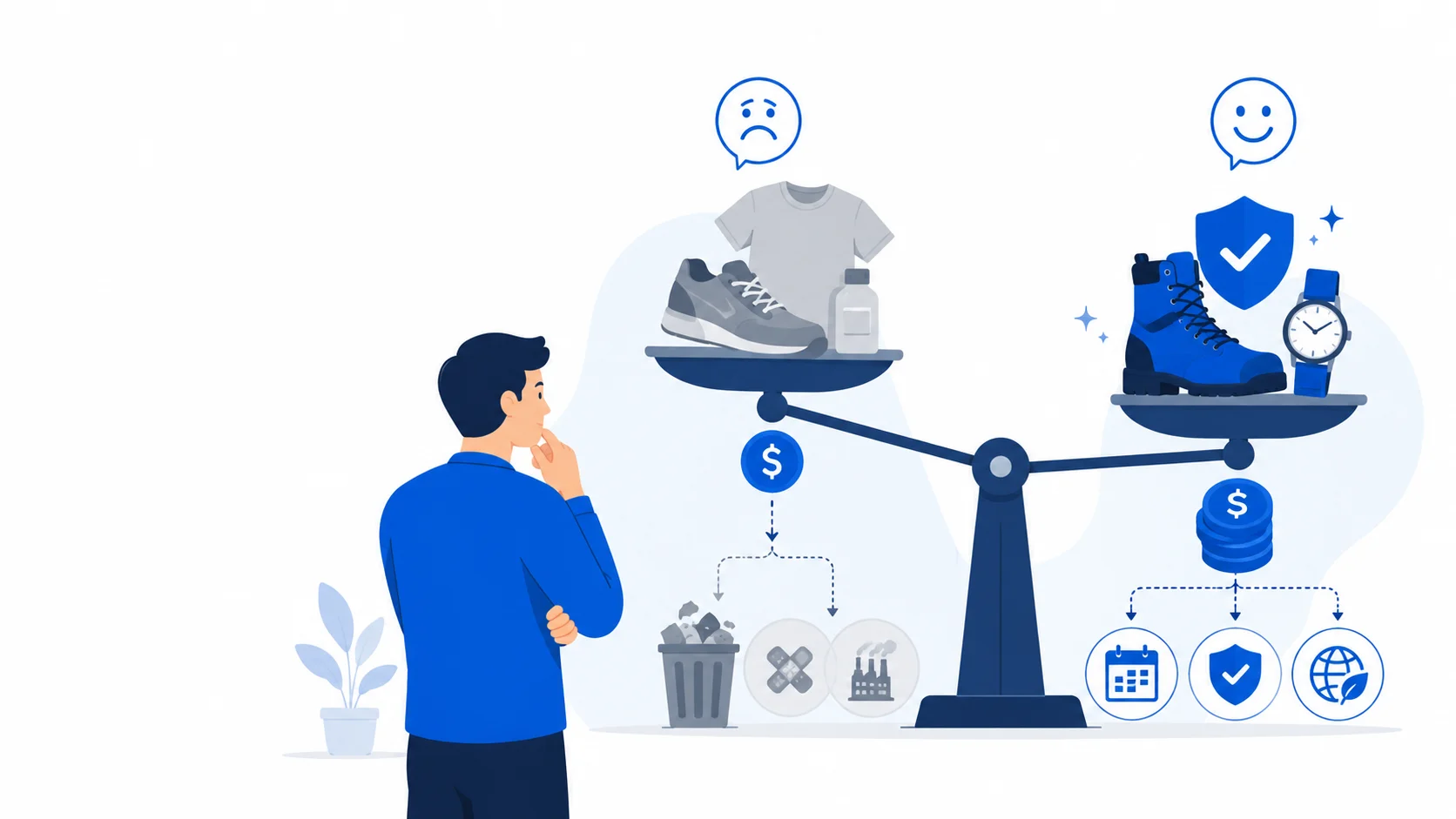
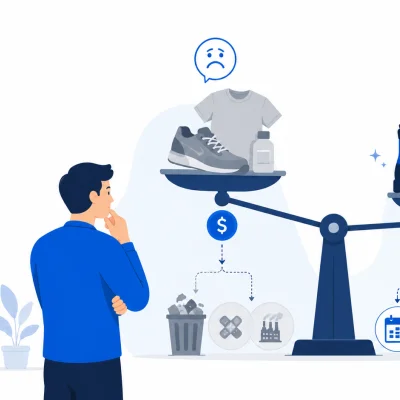
The cheapest product on the shelf often ends up costing more over time because of frequent replacements, poor performance, and hidden expenses like shipping or environmental impact. True value comes from durability, cost per use, and total ownership cost, not just the initial price.
Understanding Price vs. Value
Price is the number you see at checkout. Value is what you actually get from a product: how well it works, how long it lasts, and how much hassle it saves you. A bargain that breaks in weeks delivers poor value, while a slightly pricier item that serves you for years often costs less per use. The key is to look beyond the sticker and ask how the product will perform in daily life.
The Hidden Costs of Cheap Products
Low-priced goods frequently come with hidden dangers. They may use inferior materials that wear out quickly, contain harmful chemicals, or be produced under lax labor and environmental standards. Each replacement adds to your spending and generates waste. Over time, the "cheapest" choice can become the most expensive when you factor in repeat purchases, potential health risks, and the environmental toll of disposable consumption.
Calculating Cost Per Use for Smarter Decisions
One practical way to evaluate value is to calculate cost per use. Divide the price by the number of times you expect to use the item. For example, a $200 pair of boots worn 500 times costs 40 cents per wear, while a $50 pair replaced four times over the same period costs more per wear and creates more waste. This simple metric shifts focus from upfront cost to long-term efficiency.
When Paying More Makes Financial Sense
Frugality isn't about spending the least possible; it's about maximizing value for every dollar. Investing in durable goods for everyday use; winter coats, work boots, kitchen knives; often saves money because you avoid the cycle of constant replacement. Higher-quality items also tend to perform better, saving time and frustration. The goal is to match spending to the importance and frequency of use.
Psychological Traps of Low Prices
Our brains use price as a shortcut for quality. Anchoring bias makes the first number we see set expectations; a very low price can trigger skepticism about durability. The halo effect leads us to assume expensive means better, while cognitive dissonance makes a "cheap and great" combination feel untrustworthy. Marketers exploit these biases with charm pricing (e.g., $9.99) and volume-driven models that prioritize turnover over loyalty. Recognizing these mental shortcuts helps you evaluate products on merit rather than price alone.
How to Shop for Real Value
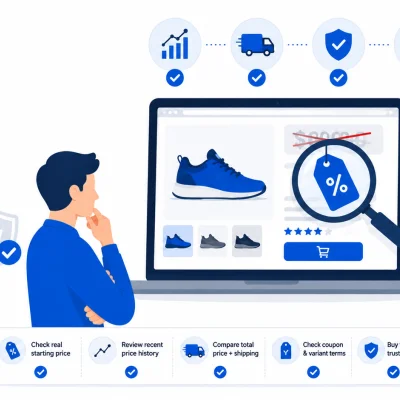
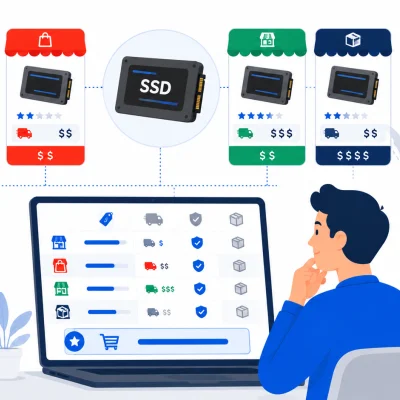
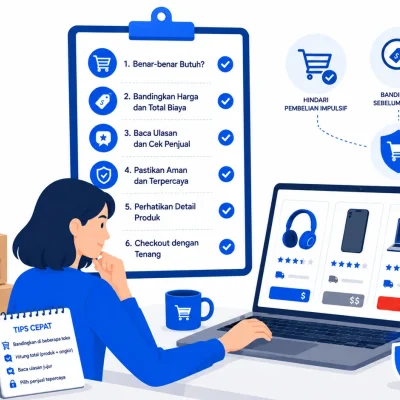
Finding genuine value means comparing total costs, not just list prices. Shipping fees, warranty terms, and return policies all affect what you ultimately pay. Tools that aggregate offers from multiple marketplaces and display the full cost; product plus delivery; can save hours of manual tab-switching. For shoppers in Indonesia, a service like Carikno helps by pulling prices from various platforms and showing the real total cost, making it easier to spot the best overall deal without guesswork. By focusing on long-term value and using smart comparison methods, you avoid the trap of buying cheap and paying twice.
Conclusion
The cheapest product isn't always the cheapest when you account for hidden costs, durability, and cost per use. True value comes from choosing items that last, perform well, and minimize waste. Next time you're tempted by the lowest price, pause and calculate the real cost over time. Your wallet; and the planet; will thank you.
Leave a Comment