

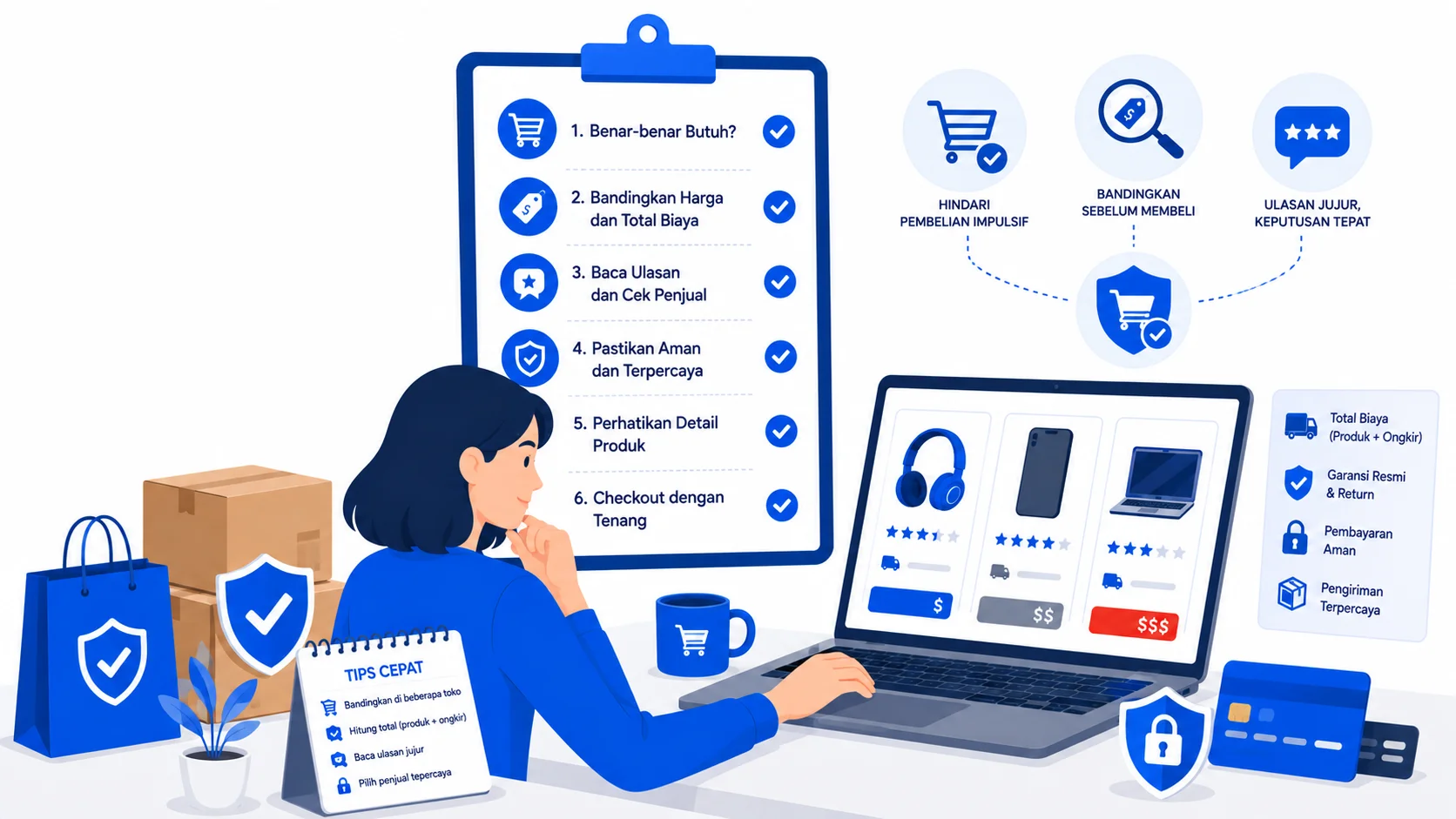
A smart shopping checklist before buying online is a short list of questions and safety checks you run through before you click "buy now." The essentials are simple: confirm you actually need the item, compare prices across more than one platform, read reviews carefully, verify the seller, and check the real total cost including shipping. Running through these steps takes a couple of minutes and protects you from impulse buys, inflated prices, and outright scams.
Online shopping is convenient, but that convenience is exactly what makes overspending easy. Flashy discounts, countdown timers, and endless product options push people to buy on impulse instead of need. A checklist slows you down and shifts your focus from the discount to the actual value of what you are buying.
Why a Smart Shopping Checklist Matters
A smart shopping checklist matters because most online purchases are driven by emotion rather than need. You see a deal, feel like you are saving money, and end up with something you never planned to buy. Over time that habit leads to clutter, wasted budget, and buyer's regret.
The stakes are financial as well as emotional. Fraud losses are climbing, and online shopping scams alone account for billions of dollars each year. The uncomfortable part is that most victims are not careless. They are smart people who missed one or two warning signs during a busy day. A checklist works because you do not have to memorize every scam pattern. You just have to run the same quick checks every single time before placing an order.
Think of it as external memory. Instead of trusting yourself to remember everything in the moment, you follow a proven order of steps so nothing important slips through.
Step 1: Ask Whether You Actually Need It
Before anything else, pause and ask one honest question: do I genuinely need this, or do I just want it right now? This single habit prevents more wasted money than any discount code ever saves you.
A useful tool here is the waiting rule. Give yourself 24 hours before buying, and for larger purchases stretch that pause even longer. If the item still feels necessary the next day, go ahead. If the urge has faded, you just saved money by doing nothing. Building a wishlist works the same way. Instead of buying in the heat of a sale, you park items in a list, then return later to judge whether they fit your real needs and priorities.
It also helps to be honest about your motive. Are you shopping because you need something, or because you feel bored, stressed, or restless? Purchases made to shift a mood tend to go unused. If the feeling is the real trigger, put the item down and deal with the feeling instead.
Step 2: Compare Prices and Check the Real Total Cost
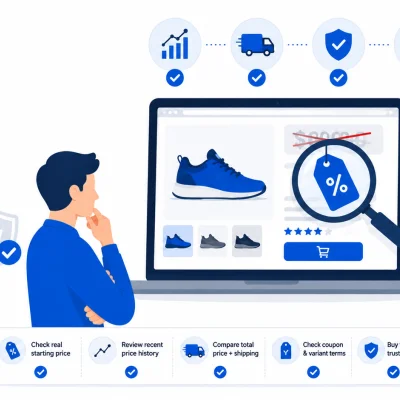
Never settle for the first price you see, because the same product is often listed at very different prices across marketplaces. Checking at least two or three platforms before deciding is one of the most reliable ways to avoid overpaying online.
The price on the product page is rarely the price you actually pay. Delivery charges, handling fees, and other add-ons can quietly push the final amount higher, so the cheapest listing is not always the cheapest purchase. Always confirm that the price you compare includes shipping, and make sure you know the full total before you check out.
This is where a comparison tool saves real effort. Carikno lets you compare product prices across Indonesian marketplaces in one place, and it factors in shipping costs alongside the item price whenever that data is available. That means you see the genuine total cost rather than just a tempting headline price, without juggling a dozen browser tabs or hopping between apps to line up the numbers yourself.
A few habits make price comparison sharper:
- Look at total cost, not just the sticker price, so shipping and fees are part of the comparison.
- Be suspicious of prices that seem impossibly low. Deals sitting far below normal retail are a classic scam signal.
- Watch for pressure tactics like fake timers or "only 2 left" banners designed to rush your decision.
Step 3: Read Reviews the Right Way
Reviews are one of your best defenses when shopping online, but only if you read them properly instead of glancing at the star rating. A high average score can hide real problems, so dig into the detail before you trust it.
Focus on detailed reviews that include real photos and honest feedback. Look for complaints that show up repeatedly, because a single angry review might be a fluke, but the same issue mentioned by many buyers is a pattern worth taking seriously. For clothing and anything size-dependent, reviews from people with a similar body type tell you far more than a generic five-star rating.
It also helps to check where the reviews live. Feedback that exists only on the seller's own site, with nothing on independent review platforms, is weaker evidence than reviews spread across multiple sources.
Step 4: Verify the Seller and the Site
Even a great-looking product is only as trustworthy as the seller behind it, so verifying who you are buying from is a core step in any smart shopping checklist before buying online. A trusted seller sharply reduces your risk of receiving fake or low-quality goods.
Start with the basics: check the seller's ratings, how many reviews they have, and how long they have been active. Real contact details, a working phone number, and a legitimate business name are all reassuring signs. On the safety side, run a quick scan of the site itself before entering any payment information.
Fast safety checks before you pay
- Confirm the web address matches the real brand, with no extra hyphens, odd words, or strange domain endings.
- Look for the HTTPS padlock in the address bar.
- Prefer sites and apps you reached by typing the address yourself, not through a social media ad or DM.
- Be wary of stores that only accept wire transfers, crypto, gift cards, or peer-to-peer cash apps.
- Check that a clear return policy actually exists and is not vague or copied.
- When you can, pay with a credit card rather than a debit card for stronger protection.
If you spot two or more of these warning signs together, the safest move is simply to walk away. A ninety-second check like this catches the large majority of online shopping scams before they cost you anything.
Step 5: Understand the Full Deal Before You Buy
Before you finalize an order, make sure you understand everything involved in the purchase, not just the price. That means knowing the delivery timeline, the return and warranty terms, and any conditions attached to the sale.
Take a moment to read the terms and conditions, confirm the item is actually in stock, and double-check the delivery date so nothing surprises you later. It is also smart to keep a record of your order, such as the confirmation email or a saved copy of the checkout page, in case you need to raise a problem afterward.
When you shop across borders, add extra scrutiny. International orders can carry customs fees, longer shipping times, and messier return processes, all of which change whether a deal is genuinely worth it. Reading product labels and specifications closely matters too. Marketing words are often chosen for appeal rather than accuracy, so look past attractive phrasing to the concrete details that actually affect quality and value.
Step 6: Hunt for Discounts Without Letting Them Drive You
Discounts should make a good purchase better, not turn a bad purchase into something you talk yourself into. The moment a sale is the only reason you are buying, the discount is making the decision for you, and that is a trap worth avoiding.
That said, there is nothing wrong with saving money on things you were going to buy anyway. Many stores offer promo codes, bundle deals, and loyalty programs, and signing up for member offers or newsletters can unlock discounts you would otherwise miss. Timing helps as well, since prices often shift around major sale events.
A simple test keeps you honest: would you still buy this at full price? If the answer is yes, the discount is a bonus. If the answer is no, the sale is doing the persuading, and it is better to skip it.
Putting Your Checklist Into Practice
A smart shopping checklist before buying online works best when it becomes routine rather than a special effort. Pause to confirm you need the item, compare prices and total costs across platforms, read reviews with a critical eye, verify the seller and the site, understand the full terms, and treat discounts as a bonus instead of a reason.
None of these steps take long, and together they change online shopping from a reactive habit into deliberate decisions. Tools like Carikno reduce the friction on the price side by lining up marketplace prices and shipping in one view, but the mindset behind the checklist is what really protects your budget. Slow down for a minute or two, and nearly every purchase you make will actually be worth it.


Leave a Comment